


Virtual Dialogues - Former Liberation Movements as Governments in Southern Africa: Authoritarianism versus Democracy, 17 December 2026
16.00 CET
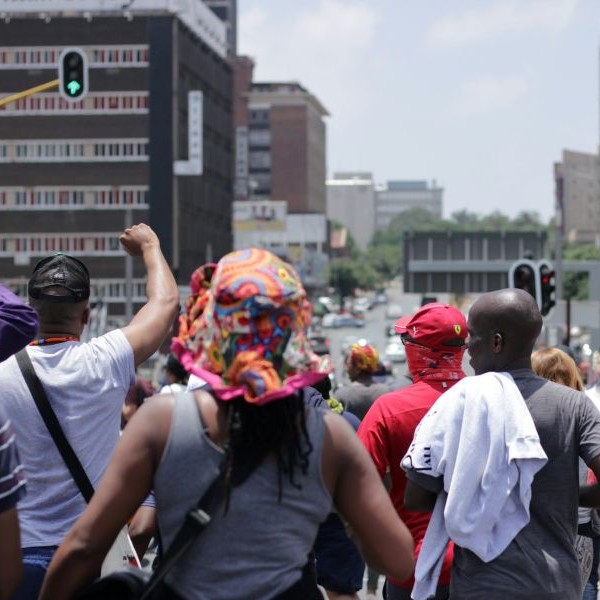
Former liberation movements in Southern Africa became dominant parties in political power since replacing White minority regimes. But their legitimacy has eroded and domestic support is in decline. The lack of delivery undermines the “rule forever”. This Webinar discusses what could be called the limits to liberation. The contrasting legacies of transformation show that the seizure of political power was defined by different approaches: radical reforms (Mozambique and Angola), liberal reforms (South Africa and Namibia), and abortive liberal reforms (Zimbabwe).
The case study of Mozambique displays increasingly authoritarian practices, internal contestation, and an unstable relationship between the political elite and the international community. The political trajectory is influenced by broader global development paradigms and their impact on historically rooted processes of state-making and power consolidation. Zimbabwe's trajectory as a sovereign state represents a reproduction of the colonial architecture of exclusion, extraction, and repression. The pathology is structural and ideological, rooted in what liberation movements become when war is won, but its democratic content remains undelivered.
Moderator: Henning Melber, Nordic Africa Institute
Presenters:
Salih Noor, University of Chicago: The Legacies of liberation: Critical junctures and political development in post-settler colonial Southern Africa
Corrado Tornimbeni, University of Bologna: Global Development Paradigms and Hegemonic State-Building: Reproducing and Legitimising Frelimo’s Rule in Mozambique
Neil Maheve, UNISA (Pretoria): From Robert Mugabe to the second dispensation: The tumultuous journey of Zimbabwe's political landscape