


Virtual Dialogues - Historical Trauma and Its Development Implications Across Generations, 13 May 2026
17.00 CEST
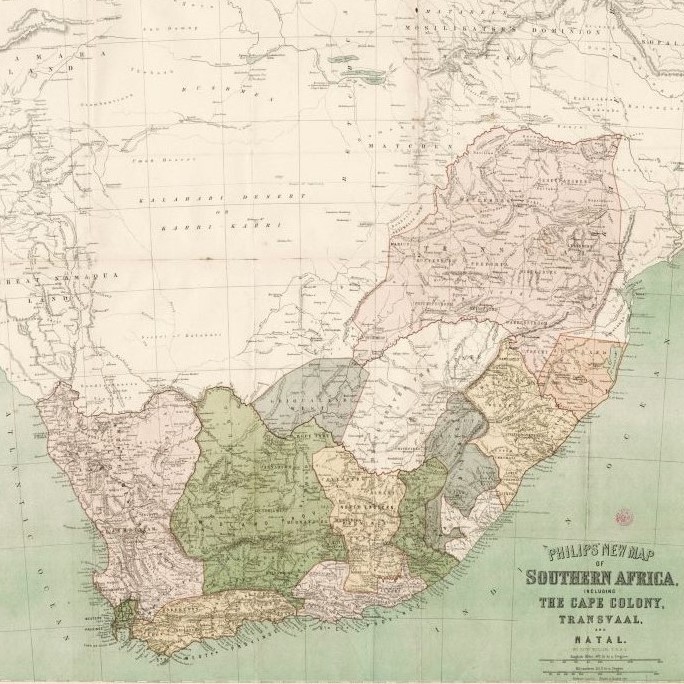
Historical trauma—arising from experiences such as colonialism, slavery, violent conflict, and systemic dispossession—can have profound and lasting effects on societies. Across generations, these experiences shape political institutions, economic opportunities, social relations, and patterns of trust, influencing development trajectories in complex ways.
This webinar will explore how historical trauma operates across different contexts and scales, and how it continues to influence political, economic, and social development today. Bringing together interdisciplinary perspectives from development studies, political economy, and related fields, the panel will discuss both broad historical processes—such as the long-run effects of slavery, colonial extraction, trust, and institutional legacies—as well as the mechanisms through which these legacies persist and interact with contemporary political and social dynamics.
To ground the discussion empirically, the panel will also present case studies from Bangladesh and El Salvador, examining how historical violence, conflict, and institutional legacies continue to shape governance, social cohesion, and development outcomes.
By connecting historical analysis with contemporary development debates, the webinar aims to highlight why understanding historical trauma is essential for interpreting current development challenges and for designing more context-sensitive research and policy responses.
Speakers:
- Prof. Maria Micaela Sviatschi (Princeton University)
- Prof. Nathan Nunn (Vancouver School of Economics)
- Prof. Mustahid Husain (University of Toronto Scarborough)
Moderator: Prof. Peter Taylor (Institute of Development Studies)