


Virtual Dialogues - Localizing the SDGs across Jordan and Tunisia: From Data to Decisions for Sustainable Cities, 22 October 2026
16.00 CEST
A webinar series presenting doctoral research from the Knowledge and Scientific Network
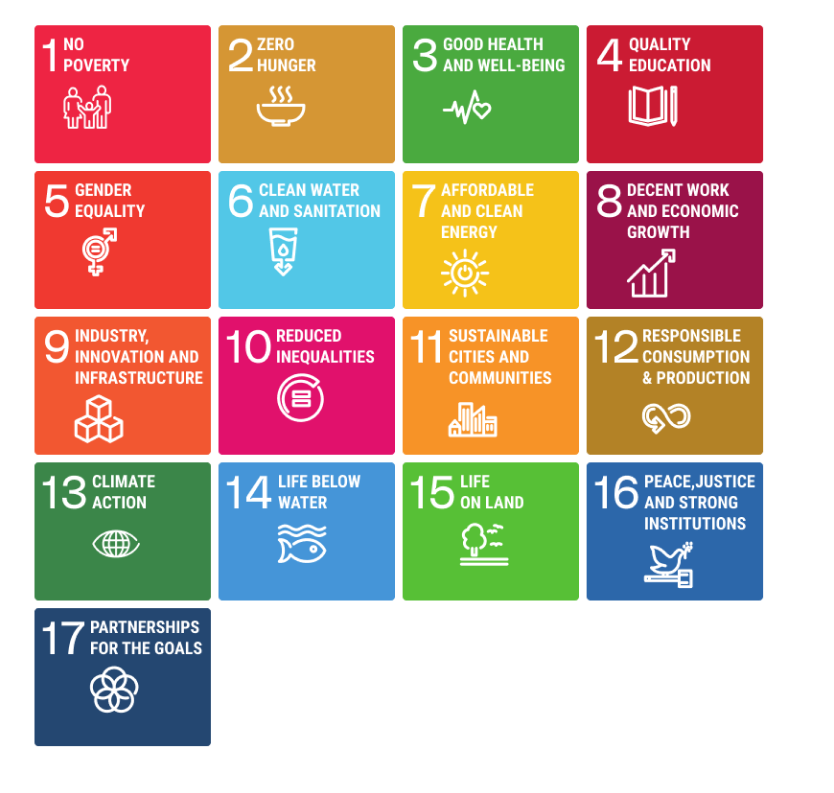
Reaching the 2030 Agenda depends on what happens well below the level of national strategies, in the cities, municipalities and territories where global targets become concrete services, plans and decisions. This is the work of SDG localization: adapting the goals to local conditions, priorities and capacities, and making subnational governments active agents of sustainable development rather than recipients of strategies designed elsewhere.
The Knowledge and Scientific Network (KSN), part of the United Nations Local2030 Coalition, was created to strengthen this process by grounding it in scientific knowledge. It connects doctoral researchers with local authorities across Jordan and Tunisia, building a stable interface between research and policy in which evidence produced in a given territory informs the decisions taken there. Within this model municipalities stand at the centre of localization, while researchers act as mediators who turn contextual analysis into operational guidance for local administrations.
This series gathers the work of KSN doctoral researchers in three thematic sessions, each showing how localization takes concrete shape in the places where the network operates, from environmental monitoring and cultural heritage to waste and the circular economy.
Measuring to Govern: Data and Decisions for Sustainable Cities
The series opens with a question that runs through much of the KSN's work: how do the tools we use to measure sustainability shape the decisions taken on the ground? This first webinar gathers three doctoral contributions in which monitoring and assessment become instruments of governance, at scales ranging from a coastal city to a single residential neighbourhood. Each asks how environmental and urban data, once collected systematically, can feed more informed, participatory and adaptive public choices.
Abdelruhman A. Abu Hamdeh opens with an intelligent environmental decision support system for Aqaba, Jordan, where IoT air-quality sensors, AI-driven analytics and interactive dashboards combine to enable real-time monitoring and more responsive governance. Hala Ghazi Alaa Aldin then moves below the waterline, offering a socio-ecological reading of the Aqaba Marine Reserve in which governance reform, ecological recovery and community engagement feed one another in producing resilience across a data-poor, climate-vulnerable system. Rawan Khattab narrows the lens to the neighbourhood, diagnosing the sustainability of Al-Nuzha in Irbid and turning its performance gaps into concrete, scenario-based planning options for local authorities.
Across the three, a single thread holds: measurement never stands apart from the institutions and communities that put it to use.
Speakers:
Abdelruhman A. Abu Hamdeh
Hala Ghazi Alaa Aldin
Rawan Khattab
Moderator:
Marco Zupi
This webinar is part of a series organised in collaboration with the EADI Working Group on SDG Localization and Global Cooperation in Theory and Practice, which provides a platform for researchers and practitioners to explore the local implementation of the Sustainable Development Goals and the role of global cooperation in achieving sustainable development.